Introduction: Understanding Glass
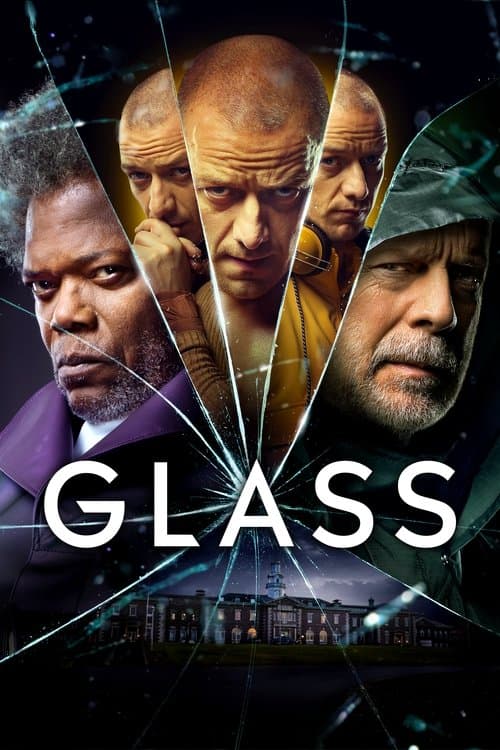
Right from the get-go, Glass was always going to be a hard sell. It's the ambitious closer to M. Night Shyamalan's unexpected superhero trilogy that began with Unbreakable and took a wild turn in Split. Set within the broader landscape of United States cinema, Glass attempts to bring a definitive end to a saga that's been two decades in the making. But did it succeed? Well, that's what we're here to unpack. Like Old, Glass explores deeply human themes under the guise of thriller cinema, making it an essential viewing for those who prefer their superhero tales with a side of existential angst.
Why Did Glass Split Audiences and Critics?
The Divisive Ending and Pacing Issues
One thing's for sure: Glass wasn't going to please everyone. Critics, like those from Rotten Tomatoes and Roger Ebert, slammed the film for its meandering pace and dialogue-heavy approach. The ending, in particular, left many feeling underwhelmed, expecting something more... explosive, perhaps? But here's the thing though, isn't it kind of refreshing to see a superhero movie that dares to be different? Fans of Now You See Me: Now You Don't will appreciate Glass for its unique take on the genre.
James McAvoy's Performance: A Silver Lining
Let's not forget James McAvoy's stellar performance. Critics and audiences alike agreed that McAvoy's portrayal of Kevin Wendell Crumb and his multiple personalities was nothing short of phenomenal. It's a reminder of the raw power of great acting, even in a film that's polarizing in other aspects.
Behind Glass: The Making of a Thriller
A Self-Funded Gamble
M. Night Shyamalan took a significant risk by self-funding Glass, following the success of Split. This move is a testament to his commitment to his vision, allowing for a unique voice in the crowded thriller cinema space of the Americas. Shyamalan's decision to shoot primarily in Philadelphia, using locations like the Allentown State Hospital, adds a layer of authenticity that's rare in big-budget cinema.
The Pressure of Expectations
Shyamalan felt the weight of fan expectations, aiming to create a satisfying conclusion to his trilogy. This pressure, combined with a tight 39-day shooting schedule, presented significant challenges. Yet, it's this very struggle that makes Glass an intriguing study in how to conclude a story that's been years in the making.
M. Night Shyamalan: The Mastermind Behind Glass
A Unique Vision in Thriller Cinema
Shyamalan's direction in Glass showcases his trademark use of methodical pacing, long takes, and a focus on storytelling over spectacle. His approach to thriller cinema, particularly in the United States, stands in stark contrast to the fast-paced action of typical blockbusters. Fans of Old will recognize Shyamalan's distinctive visual style and narrative techniques, which are on full display in Glass.
Subverting Superhero Tropes
Glass serves as an anti-Marvel statement, emphasizing dialogue and character over CGI-laden battles. Shyamalan uses the film to explore themes of belief, delusion, and the nature of heroism, challenging the conventional superhero narrative. It's a bold move that positions Glass within a unique niche in Americas films.
Conclusion: The Legacy of Glass
So, is Glass worth watching? Absolutely. It's a film that, despite its flaws, offers something genuinely different in the realm of thriller cinema. Whether you're a fan of Shyamalan's previous works or just looking for an atypical superhero story, Glass is essential viewing. The movie may have divided opinion, but it's a testament to the bold storytelling and unique vision of one of the most interesting filmmakers working in United States cinema today. If you enjoyed Glass, explore The Conjuring: Last Rites for another example of compelling storytelling in Americas cinema.
🎬🎬 Discover More World Cinema
Continue your cinematic journey with these handpicked selections