Introduction: Understanding Mary Poppins
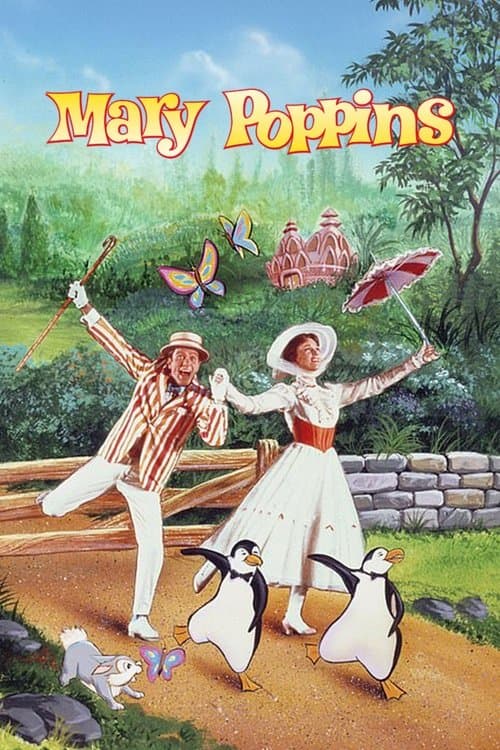
From the moment Mary Poppins descended from the London skies with her umbrella, it was clear that this was no ordinary comedy film. Directed by Robert Stevenson in the heart of the 1960s, Mary Poppins not only symbolizes a hallmark of Americas films but also showcases a pivotal moment in United States cinema. This article will explore how Mary Poppins, similar to The Sound of Music, explores themes of family, imagination, and joy against a backdrop of technical innovation and stellar performances.
The Magic Behind Mary Poppins
Visual Style and Technical Innovation
Mary Poppins was groundbreaking for its time, blending live-action and animation in a way that hadn't been seen before. Robert Stevenson, known for his technical ingenuity, utilized state-of-the-art visual effects to create seamless transitions between the real world and animated sequences. This visual style not only engaged audiences but also set new standards for storytelling in comedy cinema.
Robert Stevenson's Direction
Stevenson's direction in Mary Poppins is a testament to his narrative clarity and ability to balance whimsy with emotional depth. His approach created a cinematic experience that resonates across generations. From the meticulous choreography of "Step in Time" to the heartfelt "Feed the Birds," Stevenson's touch is evident in every frame, making Mary Poppins a cinematic gem in the realm of Americas films.
Performances That Resonate
Julie Andrews’ portrayal of the titular character is universally lauded, bringing warmth, wisdom, and wit to the screen. Her chemistry with Dick Van Dyke, alongside his energetic performance as Bert, adds a layer of charm and humor that anchors the film's emotional core. These performances contribute significantly to why Mary Poppins is celebrated in comedy cinema.
The Impact of Mary Poppins
Cultural Significance
Released during a time of social change in the United States, Mary Poppins offered audiences a sense of comfort and nostalgia. Its success at the box office and accolades, including an Academy Award for Best Actress for Andrews, underscore its lasting impact on United States cinema. The film's themes of family unity and the power of imagination continue to inspire filmmakers and audiences alike.
Why Watch Mary Poppins
Why watch Mary Poppins today? Beyond its technical brilliance and captivating performances, Mary Poppins serves as a window into the 1960s social climate, offering insights into the era's cultural dynamics. It remains an essential viewing for anyone interested in the evolution of comedy cinema and the storytelling prowess of Robert Stevenson.
Conclusion: The Legacy of Mary Poppins
Mary Poppins is more than just a film; it's a cultural touchstone that continues to enchant and entertain. Whether you're revisiting or experiencing it for the first time, Mary Poppins proves why it's considered one of the best comedy films in the cannon of Americas films. With its blend of humor, heart, and innovation, Mary Poppins stands as a critically acclaimed masterpiece worthy of its iconic status. If you enjoyed Mary Poppins, explore Bedknobs and Broomsticks for another magical adventure.
🎬🎬 Discover More World Cinema
Continue your cinematic journey with these handpicked selections