





The Art of Saying Nothing: Tarantino's Dialogue Dance
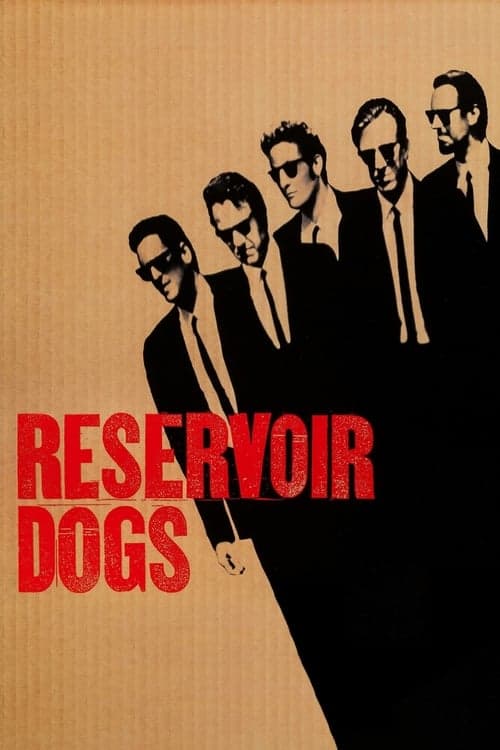
Quentin Tarantino’s 'Reservoir Dogs' isn't just about the heist that goes wrong—it's about what happens when the dust settles and nobody wants to pick up the pieces. The film is a dance of dialogue and silence, a crime film where the words shoot more bullets than the guns. Tarantino’s choice to set most of the film in a single location—a featureless warehouse—forces the characters, and us, to fill the silence with tension.
Take the opening scene in the diner. It's a seemingly trivial conversation about tipping, but it establishes character dynamics with surgical precision. Mr. Pink’s (Steve Buscemi) refusal to tip isn't just stinginess; it's a foreshadowing of his later betrayal. Tarantino shows us the hierarchy within the group before we even know their names. This is dialogue doing heavy lifting, a technique that continues throughout the film.
The Violence We Don’t See
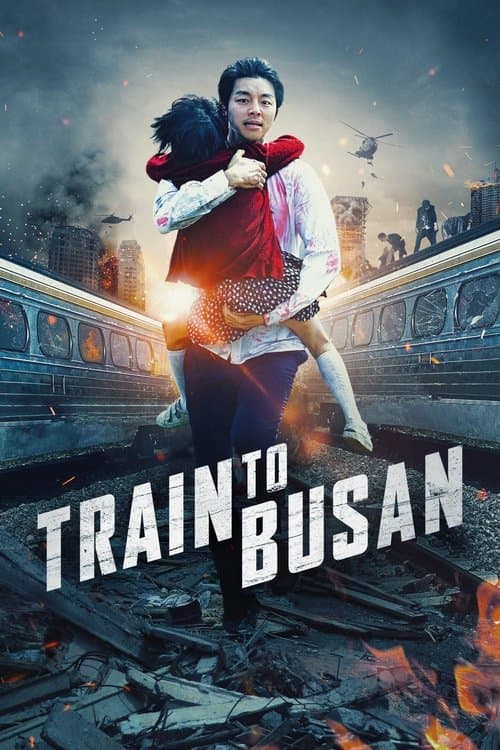
Unlike something like Jack Reacher, where action is front and center, 'Reservoir Dogs' thrives on the violence you don't see. The botched heist isn't shown; you feel its aftermath. When Mr. Blonde (Michael Madsen) tortures Marvin in the warehouse, it's the sound of music—Stealers Wheel's "Stuck in the Middle with You"—that makes your skin crawl. Tarantino lets the camera drift away from the brutality, implying more horror than showing ever could. It's a technique that links Tarantino to other Asia cinema, like Train to Busan, where tension is often built on what's not seen.
Identity in a World of Masks
The film's obsession with identity is clear: nobody uses their real name, opting for colors instead. This anonymity strips away personal history, leaving only actions to define them. In a poignant moment, Mr. Orange (Tim Roth) lies bleeding out, confessing his true identity to his killer. The irony is rich—his truth is both his atonement and his death sentence, complicating the film’s take on loyalty and betrayal.
This theme of identity is echoed in Lokah Chapter 1: Chandra, where characters grapple with who they are versus who they must be. Tarantino’s narrative strips away the luxury of history, forcing his characters to live and die on the merit of their present selves.
The Camera as Storyteller
Tarantino’s directorial choices are deliberate—his camera moves with purpose. Consider the scene where Mr. Blonde exits the warehouse to get gasoline, only to return and continue his sadistic game. Instead of following him, the camera lingers on the chaos he's left, heightening our anticipation. This refusal to show the obvious makes the return more impactful.
Another striking choice is how the camera lingers on Mr. White (Harvey Keitel) as he comforts the injured Mr. Orange. The tenderness in a crime film is unexpected and deeply human, making us question the thin line between loyalty and naivety.
Overlooked Yet Essential: The Soundtrack
A Tarantino film wouldn’t be complete without its music. In 'Reservoir Dogs,' the soundtrack isn’t an afterthought but an essential character. The radio DJ’s voice narrates the aftermath of the heist with an eerie calmness, creating an unsettling juxtaposition with the violence on screen. The casual cruelty of the tracks underscores the film’s themes, making every scene resonate with unease.
Why Watch Reservoir Dogs?
Despite its cult status, 'Reservoir Dogs' is sometimes overshadowed by Tarantino's later films. Yet, it’s here that he lays the groundwork for his signature style: nonlinear storytelling, pop culture-infused dialogue, and moral ambiguity. For fans of crime films, and those interested in Asia cinema's influence, 'Reservoir Dogs' offers a master class in tension and character study.
Quentin Tarantino’s debut isn’t just a crime story—it’s a treatise on the art of tension, where every word and silence is a loaded gun. In a film that’s ostensibly about a heist, the real loot is the exploration of human fragility when confronted with choice and consequence.
🎬🎬 Discover More World Cinema
Continue your cinematic journey with these handpicked selections