



When Law Meets Sin: Hackford's Vision
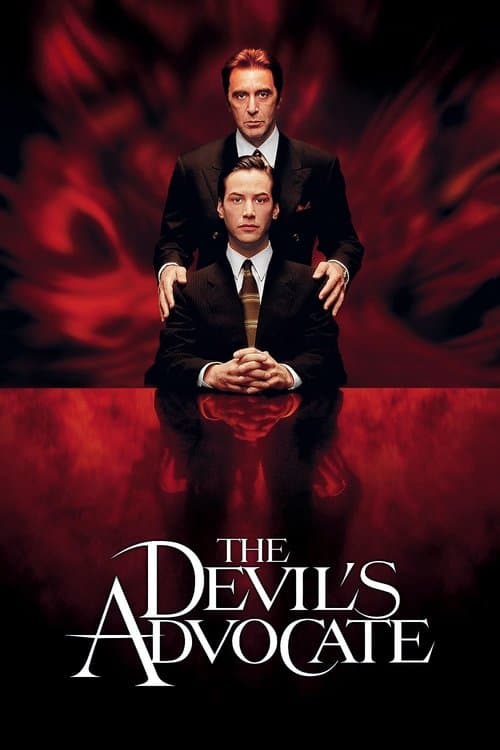
In "The Devil's Advocate," Taylor Hackford doesn't just present a horror story—he fashions a grotesque mirror reflecting our moral failings. At its core, the film explores the seductive power of ambition, embodied by the devil himself, played with exuberant menace by Al Pacino. What makes this film resonate isn't the demonic presence, but how easily human nature is manipulated, turning ambition into a cardinal sin.
The Allure of Success: A Faustian Bargain
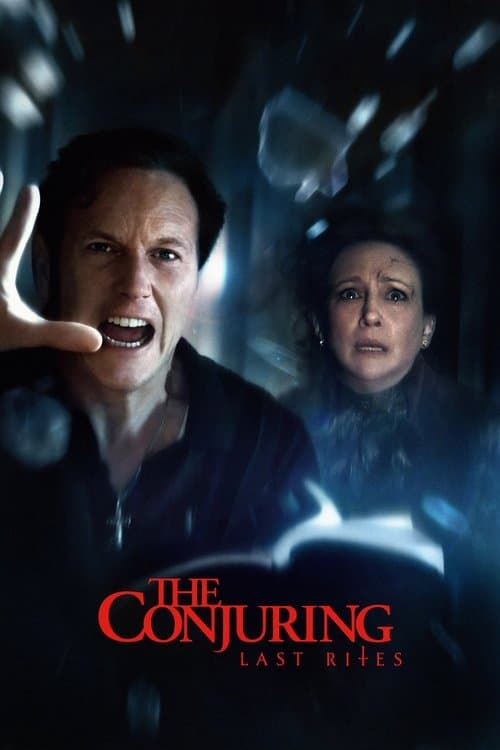
The film opens with Kevin Lomax (Keanu Reeves), a hotshot Florida lawyer, who has never lost a case. This sets the stage for a cautionary tale about unchecked ambition. The scene where Kevin decides to defend a clearly guilty client is essential, not just because it establishes his moral flexibility, but because it shows how success can blind us to our ethical compass. Unlike "The Conjuring: Last Rites" where the horror is external, here it's internal, making us question our values and choices.
The Flamboyant Devil: Al Pacino's Masterstroke
Al Pacino’s portrayal of John Milton, the devilish New York lawyer, is theatrical and unrestrained, embodying temptation's allure. In the climactic scene where Milton reveals his true identity to Kevin, Hackford chooses to focus on Pacino's face, contorted with delight and disdain, instead of CGI spectacle. This approach is reminiscent of the practical horrors seen in "Train to Busan," where human expressions convey more fear than any monster could. Pacino's devil thrives on ego and persuasion, making his scenes a study in manipulation.
The Real Horror: Human Ambition
Taylor Hackford crafts a narrative that critiques human ambition's darker side. The horror isn't in the supernatural but in human choices. When Kevin's wife, Mary Ann (Charlize Theron), descends into madness, it's not due to some paranormal force, but the isolation and neglect she suffers as a result of Kevin's blind ambition. The scene where Mary Ann, covered in imaginary snakes, confronts Kevin, is chilling because it externalizes the internal decay caused by ambition. Unlike "Final Destination Bloodlines," where fate is the antagonist, here it's Kevin’s choices.
The Illusion of Control: A Legal Labyrinth
"The Devil's Advocate" is a legal thriller at heart, using the courtroom as a metaphor for the moral trials we face. The scene where Kevin realizes he's defending a rapist is crucial, not for the shock value, but for its commentary on moral compromise. Hackford uses the courtroom not as a place of justice but as a theater of deception, mirroring how Kevin's life is manipulated by Milton.
The Camp of Critique: Embracing Extravagance
Some may criticize the film for its over-the-top elements, but it's precisely this flamboyance that underscores its critique. The film's campy moments, like Pacino's overblown monologues, are not flaws but features, highlighting the absurdity of unchecked ambition. This tradition of camp, seen in Americas cinema, finds a parallel in "M3GAN 2.0," where the line between ridiculous and terrifying is blurred.
Conclusion: The Devil Within Us
"The Devil's Advocate" is often misunderstood as mere horror, yet it's a profound exploration of human frailty and ambition. Taylor Hackford's direction invites us to confront our own moral boundaries. Unlike "Interstellar," which looks outward to the cosmos, this film turns our gaze inward, challenging us to see the devil in our desires. It's this introspection that makes the film enduring, forcing us to question whether our ambitions are truly worth the price.
Fans of "The Conjuring: Last Rites" might find "The Devil's Advocate" a departure, focusing less on supernatural scares and more on human horror. Yet, it's this focus that makes it a standout in the horror genre, offering not just a fright but a reflection on our very nature.
🎬🎬 Discover More World Cinema
Continue your cinematic journey with these handpicked selections