








The Art of Chaos: Quentin Tarantino's "Pulp Fiction" and Its Aesthetic Anarchy
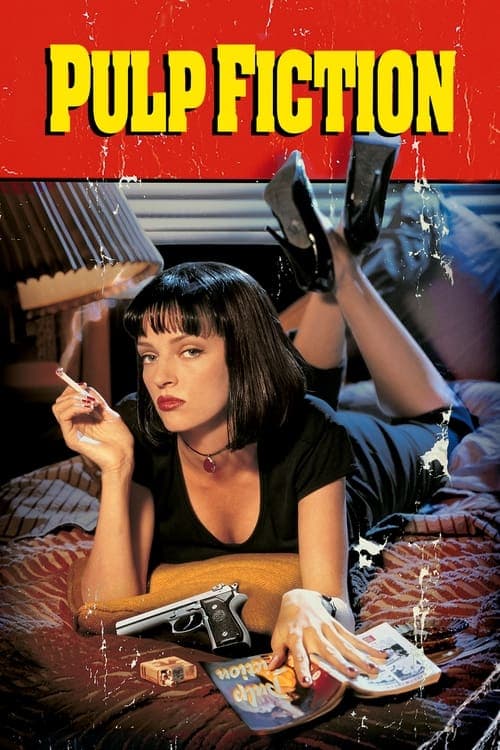
Quentin Tarantino's "Pulp Fiction" isn't just a film; it's an audacious declaration of creative anarchy. By dismantling traditional narrative structures, Tarantino redefines the thriller genre, inviting audiences into a realm where unpredictability is the only constant. What makes "Pulp Fiction" truly remarkable is its commitment to chaos — a carefully constructed disorder that turns conventional storytelling on its head.
Dissecting the Narrative Puzzle
The backbone of "Pulp Fiction" is its non-linear narrative, a technique Tarantino had already flirted with in Reservoir Dogs. But here, he takes it to an extreme, crafting a tapestry of intertwined stories that defy chronological order. Take, for instance, the sequence where Vincent Vega (John Travolta) is resurrected after his earlier demise. This seemingly impossible resurrection is not a gimmick, but a deliberate choice that reinforces the film’s chaotic nature. It challenges the audience to piece together the timeline, turning viewers into participants rather than passive observers.
The Dialogue Dance
Tarantino's dialogue is sharp, loaded with cultural references that are both trivial and profound. Consider the "Royale with Cheese" conversation; it's ostensibly about a burger but serves as a vehicle for character development and world-building. The triviality of the subject matter juxtaposed with the intensity of the conversation reflects Tarantino's knack for extracting humor and tension out of the mundane.
In another scene, Jules Winnfield (Samuel L. Jackson) delivers the iconic Ezekiel 25:17 monologue. It's a scene that's been dissected endlessly, yet its power lies in its delivery rather than its content. Jules' transformation from a cold-blooded enforcer to a man contemplating redemption is encapsulated in his shifting tone and facial expressions. Tarantino uses dialogue not just to convey information, but to evoke transformation and introspection.
Visual Anarchy
Visually, "Pulp Fiction" thrives on a similar sense of chaos. The opening scene in the diner, for instance, doesn't just introduce us to Pumpkin and Honey Bunny; it sets the tone for the film's unpredictable journey. The camera weaves through the diner, capturing the frenetic energy of the impending robbery while simultaneously grounding us in the everyday setting of a breakfast joint. This is a hallmark of Tarantino's style — the mundane and the extraordinary existing side by side.
Compare this to the calculated aesthetics seen in thrillers like Glass, where the visual style is tightly controlled to evoke a specific mood. Tarantino, on the other hand, embraces the messiness of real life, allowing the camera to linger on seemingly irrelevant details that would be discarded in lesser thrillers.
Music as a Character
The soundtrack of "Pulp Fiction" is more than a backdrop; it's a character in its own right. The choice of songs like "Misirlou" and "Girl, You'll Be a Woman Soon" not only complement the film's scenes but elevate them to iconic status. In the dance scene between Vincent and Mia Wallace (Uma Thurman), the music doesn't just accompany the action; it transforms the scene into a euphoric explosion of joy and tension. The music is as unpredictable as the plot, bouncing between genres and eras, much like the film’s narrative.
An Argument Against Overpraise
While "Pulp Fiction" is often lauded as a revolutionary piece of Americas cinema, it's not without its flaws. The film’s devotion to style occasionally overshadows substance. The middle section, particularly, drags with an indulgence in dialogue that doesn’t always serve the narrative. Unlike the tightly paced thrillers like Now You See Me: Now You Don't, "Pulp Fiction" sometimes meanders, testing the patience of viewers who crave more immediate gratification.
Cultural Impact and Legacy
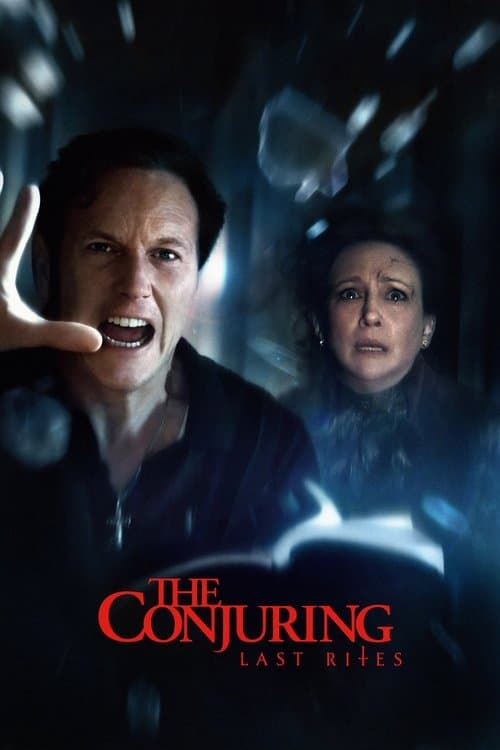
Despite these shortcomings, the cultural impact of "Pulp Fiction" is undeniable. It opened the door for a new breed of filmmakers who weren't afraid to break the rules, and it injected a fresh, irreverent energy into Americas cinema — similar to how The Conjuring: Last Rites redefined horror through its audacity.
"Pulp Fiction" remains a masterclass in how to create art from chaos. It's not just a film you watch; it's a puzzle you solve, a conversation you join, and a world you experience. Quentin Tarantino invites us to embrace the disorder, challenging us to find meaning in the madness. And isn't that what great cinema is all about?
🎬🎬 Discover More World Cinema
Continue your cinematic journey with these handpicked selections